Your Health. Your Future.
Our Shared Mission.

At Red River Research Partners (3RP), we connect you directly to medical discovery and cutting-edge treatments. Under the care of expert local doctors, your choice to volunteer helps change the future of healthcare for generations to come. Explore our open studies below and take the next step in your health journey today.

Your Health. Your Future.
Our Shared Mission.

At Red River Research Partners (3RP), we connect you directly to medical discovery and cutting-edge treatments. Under the care of expert local doctors, your choice to volunteer helps change the future of healthcare for generations to come. Explore our open studies below and take the next step in your health journey today.

Find A Clinical Trial Near You!
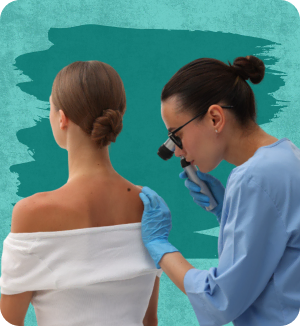
Advanced Basal Cell Carcinoma

Basal Cell Carcinoma (BCC) is the most common type of skin cancer. It develops when abnormal cells grow in the basal...

get in touch

Alopecia Areata

Alopecia Areata is an autoimmune condition that causes the body's immune system to mistakenly attack healthy hair...

get in touch

Atopic Dermatitis (Eczema)

Atopic Dermatitis, commonly called eczema, is a chronic inflammatory skin condition that affects millions of...

get in touch

Chronic Hand Eczema_1

Chronic Hand Eczema (CHE) is a long-lasting inflammatory skin condition that primarily affects the hands. It can...

get in touch

Chronic Pruritus of Unknown Origin

Chronic Pruritus of Unknown Origin (CPUO) is a condition characterized by persistent itching that lasts for...

get in touch

Chronic Spontaneous Urticaria (Hives)

Chronic Spontaneous Urticaria (CSU) is a long-term inflammatory skin condition that causes recurring itchy hives...

get in touch
Diabetic Macular Edema_1

Diabetic Macular Edema (DME) is a complication of diabetes that occurs when damaged blood vessels leak fluid...

get in touch
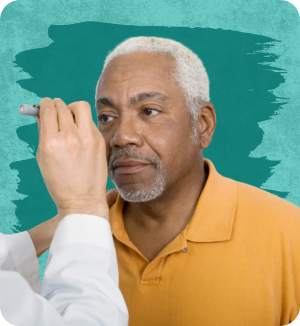
Diabetic Retinopathy

Diabetic Retinopathy is a diabetes-related eye disease that affects the small blood vessels in the retina. Over time...

get in touch

Dry Eye Disease

Dry Eye Disease is a common, chronic condition that occurs when the eyes do not produce enough tears or when...

get in touch

Future Studies Derm

If you don't see your condition on our Current Studies page, we still encourage you to contact us. By submitting our...

get in touch

Hidradenitis Suppurativa

Hidradenitis Suppurativa (HS) is a chronic inflammatory skin condition that causes painful lumps, abscesses, and tunnels...
get in touch
Macular Degeneration

Macular Degeneration, also known as Age-related Macular Degeneration (AMD), is an eye condition that affects the macula...

get in touch

Neurotrophic Keratitis

Neurotrophic Keratitis (NK) is a rare degenerative eye disease that occurs when damage to the corneal nerves...

get in touch

Prurigo Nodularis

Prurigo Nodularis is a chronic inflammatory skin condition characterized by intensely itchy, firm nodules...

get in touch
Psoriasis

Psoriasis is a chronic inflammatory skin condition that causes skin cells to build up more quickly than normal...

get in touch
Psoriatic Arthritis

Psoriatic Arthritis (PsA) is a chronic inflammatory disease that affects the joints and is associated with psoriasis...

get in touch

Pyoderma Gangrenosum (PG)

Pyoderma Gangrenosum (PG) is a rare inflammatory skin condition that causes painful sores, or ulcers, to develop...

get in touch
Rheumatoid Arthritis

Rheumatoid Arthritis (RA) is a chronic autoimmune disease that causes the immune system to mistakenly...

get in touch

Vitiligo

Vitiligo is a chronic autoimmune condition that causes the loss of skin pigment, resulting in white patches that...

get in touch

Don’t see a study that fits your health profile today?

Medical research is moving rapidly and new protocols launch every month. Join our confidential Future Studies Registry to be the very first to know when a study matching your medical history opens in your neighborhood.

Join Our Future Studies Registry
How it works

Your Journey as a Volunteer: How a Trial Works

Pre-Screening (Connection)

You fill out a quick interest form online or call our team. A friendly recruitment coordinator will chat with you briefly to gather basic medical history and see if you meet the preliminary baseline criteria for the study.

Informed Consent (You Choose)

Before anything begins, you sit down with our clinical team. We give you a comprehensive document outlining everything about the study—the schedule, the safety tracking, and what to expect. You are in full control and can choose to proceed or stop at any time.

Screening Visit (Baseline Health Evaluation)

You visit our comfortable community site for an initial medical screening exam. Our board-certified physician will check your vital signs, review your health history, and verify that it is medically safe for you to participate.

Study visits (Personalized Care)

Throughout the trial, you visit our clinic for routine, personalized monitoring. Our team tracks your health closely, administers the study medication or treatment, and ensures you feel completely comfortable and supported at every turn.

Follow-up (Continued Support)

Once the active study period concludes, we conduct a final health check. Most studies offer financial compensation for your time and travel, and you exit the journey knowing you have directly contributed to global scientific discovery.

testimonials

Voices of Trust From
Patients and Participants

faq’s

Frequently Asked
Questions

Have a look at some of our most frequently asked questions regarding clinical trials and what they’re all about.

What is a clinical research trial?

A clinical research trial is a carefully planned medical study that helps researchers learn more about the prevention, diagnosis, or treatment of diseases and other health conditions. Some trials evaluate investigational medications or medical devices, while others study approved treatments, health behaviors, or ways to improve patient care. Clinical research trials rely on volunteers and follow strict guidelines to help protect the rights, safety, and well-being of participants.

Clinical research trials are conducted in phases to help researchers learn more about an investigational treatment or medical device.

  • Phase 1: trials focus on safety and determining an appropriate dose.
  • Phase 2: trials continue to evaluate safety while exploring how the investigational treatment may work for a specific condition.
  • Phase 3: trials involve larger groups of participants to  gather additional information about safety and effectiveness and compare the investigational treatment to current standards of care or a placebo, when appropriate.
  • Phase 4: trials take place after a treatment has been approved and help researchers continue to monitor its long-term safety and effectiveness in a larger population.
Both children and adults can volunteer for a trial. Each clinical research trial has its own eligibility requirements, which are based on the trial goals. Some trials are looking for people with a specific medical condition, while others may enroll healthy volunteers. Eligibility may depend on factors such as age, medical history, current medications, or other health-related criteria. Before joining a trial, potential participants complete a screening process to determine whether they qualify. Participation is always voluntary, and choosing not to participate will not affect your regular medical care.

No. There is absolutely no cost to you. If you qualify for a trial, all trial-related doctor visits, physical exams, lab tests, and investigational medications are covered by the pharmaceutical company. The research team will explain what is included in the trial and answer any questions about costs before you decide whether to participate.

No, health insurance is never required to join our clinical trials. Your participation is completely independent of your insurance provider or financial status.

Yes, in most cases. Most of our clinical trials offer financial compensation to help offset the costs of your time, travel, and participation. The exact amount varies depending on the specific trial protocol. Our team will explain the compensation for a particular trial during your screening period.

Participant safety is the highest priority in every clinical research trial. Before a study begins, it must be reviewed and approved by an Institutional Review Board (IRB), an independent committee that helps protect the rights and welfare of research participants. Throughout the trial, participants are closely monitored by the research team, and safety information is reviewed on an ongoing basis. Because clinical research is designed to learn more about investigational treatments or medical devices, trials may involve potential risks as well as potential benefits, which are explained during the informed consent process before you decide whether to participate.

An investigational medicine is a medication that is being studied in clinical research to learn more about its safety, effectiveness, or appropriate use. Unlike regular medications that have been approved by the U.S. Food and Drug Administration (FDA) for general use, investigational medicines are still being evaluated and have not yet been approved for the specific purpose being studied. Not every clinical research trial involves an investigational medicine—some trials evaluate approved medications, medical devices, or other approaches to healthcare.

You will be under the direct care of our Principal Investigators, who are local, highly qualified, board-certified physicians, alongside our team of experienced clinical research coordinators. They will monitor your health throughout the trial, answer your questions, and explain any study procedures. You should continue seeing your regular healthcare provider for your routine medical care unless the trial team advises otherwise.

Yes. Participating in a clinical research study does not replace your regular medical care. We encourage participants to continue seeing their primary care provider and any specialists they normally visit. With your permission, the research team may also communicate with your healthcare providers to help coordinate your care when appropriate.